The facts on post-Irene toxics
VPIRG’s Environmental Health Advocate, Charity Carbine-March, pulled additional resources and information about environmental health implications of mold, soil, water and air quality following Tropical Storm Irene.
VPIRG’s Environmental Health Advocate, Charity Carbine-March, pulled additional resources and information about environmental health implications of mold, soil, water and air quality following Tropical Storm Irene.
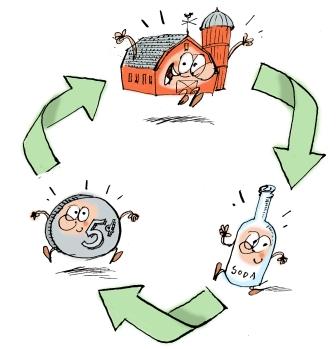
Redeem to Rebuild is a state wide bottle drive to raise money for Vermont farms that suffered losses due to Tropical Storm Irene. All donations will benefit the Vermont Farm Disaster Relief Fund – established by the Vermont Community Foundation in partnership with the Vermont Agency of Agriculture. This fund will provide grants to farms of all sizes throughout the state that were unfortunate victims of Tropical Storm Irene.
Our state’s Bottle Bill program has not only proven to be an amazing tool for recycling, but it also provides a resource for community groups, like the Waterbury Rapids Swim Team, who depend on bottle drives to help fund their programs. While 5 cents might not seem like a lot, it adds up for community groups across the state.
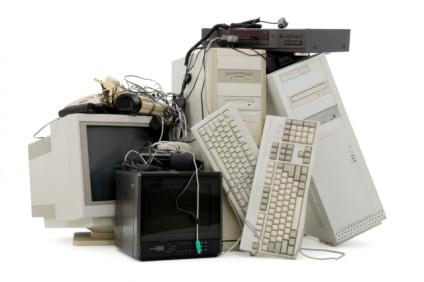
On Friday, July 1st, Vermont’s new electronic waste (e-waste) recycling program will begin, providing free and convenient recycling of e-waste to Vermont residents, charities, schools, and small businesses. The recycling program, known as “Vermont E-Cycles”, was created by a VPIRG-backed law passed by legislators last year requiring manufacturers of electronics to finance the cost of collecting and recycling their discarded products.
On Friday, July 1st, Vermont’s new electronic waste (e-waste) recycling program will begin, providing free and convenient recycling of e-waste to Vermont residents, charities, schools, and small businesses. The recycling program, known as “Vermont E-Cycles”, was created by a VPIRG-backed law passed by legislators last year requiring manufacturers of electronics to finance the cost of collecting and recycling their discarded products. This type of “producer responsibility” program not only eases the financial burden carried by municipalities, but it also provides a powerful incentive for manufacturers to design their electronics to last longer and to exclude the toxic materials that make recycling so difficult and expensive.
The 2011 legislative session was filled with victories on VPIRG-backed legislation across each of our program areas. With a new governor in office for the first time in eight years, our small state suddenly had opportunities to pass the kind of major policy initiatives that our friends in other parts of the country could only …
On May 19th, Gov. Shumlin signed the Mercury Lamps Bill, which will establish a recycling program for light bulbs that contain small amounts of mercury. We all know the benefits of fluorescent bulbs. They save energy and reduce greenhouse gas emissions. However, they also contain mercury which makes the need for effective light bulb recycling programs crucial.
One of my favorite things about directing VPIRG is that by working with members like you and our partners across the state, we manage to get things done that my colleagues in other states can only dream about. Consider our list of accomplishments in the legislative session that just ended on Friday.
On Thursday, the Senate gave final approval to a bill that requires manufacturers of mercury-containing lamps to establish and finance a free and convenient recycling program for their spent bulbs from residents and small businesses. Pending the Governor’s approval, Vermont will become the third state in the country to establish such a program.
A guide to the Mercury Lamps Bill (S.34). S.34 would require manufacturers of mercury-containing lamps to establish a free and convenient recycling program for fluorescent bulbs. By financing the cost of recycling their products, manufacturers will have a powerful incentive to design their lamps to last longer and to exclude the toxic materials, including mercury, that make recycling so difficult and expensive.